
The car starts perfectly in the morning but by evening, the dashboard lights flicker, the radio cuts out, and the engine hesitates. Is it the battery? The alternator? Or something deeper in the vehicle’s electrical system? For many drivers, this uncertainty leads to guesswork, repeated breakdowns, and unnecessary repairs. This is the challenge explored in Testing Alternators & Batteries: Tools for the Modern Grid, where modern vehicles demand smarter diagnostics to keep their electrical systems reliable, efficient, and road-ready.
Quick Answer
Testing alternators and batteries in modern vehicles requires more than a basic voltage check. Advanced diagnostic tools like OBD2 scanners with live data and charging system analysis help accurately identify battery health, alternator performance, and electrical issues before they lead to breakdowns.
Key Takeaways
- Modern vehicles function like mobile electrical grids: Batteries and alternators now power complex electronics, making accurate testing essential rather than optional.
- Battery and alternator problems often overlap: Similar symptoms can mask the real issue, which is why proper diagnostic tools are critical for correct identification.
- Advanced diagnostic tools outperform basic voltage tests: OBD2 scanners with live data provide deeper insight into charging system performance and electrical load behavior.
- Early testing prevents breakdowns and costly repairs: Identifying weak batteries or unstable alternators early helps avoid unexpected failures and component damage.
- Smart diagnostics empower informed decisions: Using the right tools allows drivers and technicians to repair confidently instead of relying on guesswork.
Why Alternator and Battery Testing Matters Today
A weak battery or failing alternator can trigger:
- Check engine lights
- Hard starts or no-start conditions
- Electrical glitches
- Premature component failure
With modern vehicles drawing constant power even when parked battery and charging system testing is no longer optional.
Most vehicle electrical failures begin with either a weak battery or an underperforming alternator.
Understanding the Modern Vehicle Electrical Grid
The Battery: More Than a Power Source
Today’s car battery supports:
- Engine start-up
- ECU memory
- Infotainment systems
- Sensors and safety modules
A marginal battery can appear “fine” but still cause hidden issues.
The Alternator: Power Manager, Not Just a Charger
Modern alternators:
- Regulate voltage dynamically
- Respond to vehicle load
- Communicate with engine control modules
This means alternator failures don’t always show obvious symptoms.
Common Signs of Battery or Alternator Problems
Battery Warning Signs
- Slow cranking
- Dimming lights
- Random dashboard warnings
- Frequent jump-starts
Alternator Warning Signs
- Battery light on dashboard
- Electrical accessories malfunctioning
- Battery draining quickly
- Engine stalling
These symptoms often overlap, making proper diagnostic tools critical.
Tools for Testing Alternators & Batteries Accurately
1. Traditional Multimeters (Limitations)
While useful, multimeters:
- Require technical knowledge
- Don’t interpret vehicle data
- Can’t access ECU diagnostics
2. Professional Diagnostic Tools
High-end shop tools are accurate, but expensive and complex.
3. The Smart Middle Ground: Innova 5210 OBD2 Scanner
The Innova 5210 OBD2 Scanner & Engine Code Reader is designed for modern vehicles and modern users, combining battery testing, alternator analysis, and engine diagnostics in one device.
Innova 5210 OBD2 Scanner: Built for the Modern Grid
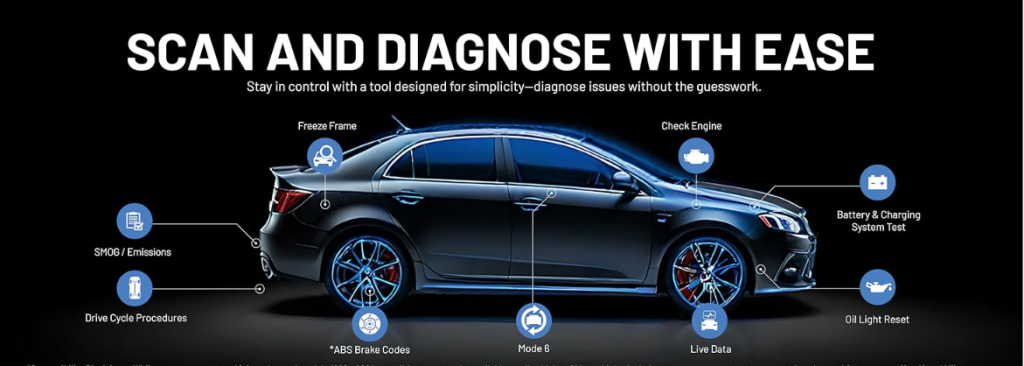

Key Features
- Advanced battery and alternator testing
- OBD2 engine code reading & clearing
- Live data monitoring
- Oil reset function
- Bluetooth compatibility
- Works with America’s top car repair app
- Supports most 1996+ vehicles
How the Innova 5210 Tests Batteries
The scanner evaluates:
- Battery voltage
- Starting system health
- Charging performance
It identifies weak batteries before total failure, reducing roadside breakdowns.
How the Innova 5210 Tests Alternators
Using live data and charging system analysis, it detects:
- Undercharging
- Overcharging
- Voltage instability
- Load-related failures
This is critical for vehicles with smart charging systems.
Live Data: Seeing Problems in Real Time
With live data streaming, the Innova 5210 allows you to monitor:
- Battery voltage while driving
- Alternator output under load
- Engine RPM vs charging behavior
- Sensor performance affecting electrical demand
Oil Reset & Maintenance Support
Beyond electrical testing, the Innova 5210 supports:
- Oil life reset after service
- Maintenance tracking
- Preventive diagnostics
This makes it a complete car diagnostic tool, not just a code reader.
Why Bluetooth Diagnostics Matter
Bluetooth connectivity allows:
- Wireless data access
- App-based explanations
- Repair suggestions
- Maintenance insights
By pairing with America’s top car repair app, users get plain-English explanations instead of raw fault codes.
Who Should Use the Innova 5210?
Ideal For
- DIY car owners
- Fleet managers
- Mobile mechanics
- Automotive students
- Everyday drivers who want control
Not Ideal For
- Advanced ECU coding
- Module programming
- Dealer-only functions
Innova 5210 vs Basic OBD2 Scanners
| Feature | Basic Scanner | Innova 5210 |
|---|---|---|
| Battery Testing | ❌ | ✅ |
| Alternator Testing | ❌ | ✅ |
| Live Data | Limited | Advanced |
| Oil Reset | ❌ | ✅ |
| App Integration | ❌ | ✅ |

Testing alternators and batteries is no longer just about voltage, it’s about understanding how your vehicle’s electrical grid behaves in real-world conditions.
The Innova 5210 OBD2 Scanner & Battery Tester bridges the gap between basic code readers and professional tools, offering smart diagnostics, live data, and electrical system testing in one reliable device. For drivers who want accuracy, confidence, and fewer surprises, it’s a tool built for the modern road and the modern grid.
Buy Innova 5210 OBD2 Scanner & Engine Code Reader
from Amazon
Frequently Asked Questions (FAQs)
1. How do you test an alternator in a modern vehicle?
An alternator is best tested using a diagnostic tool that can read charging system data and live voltage output while the engine is running. Advanced OBD2 scanners provide more accurate results than simple voltage checks.
2. How can I tell if my car battery or alternator is failing?
Common symptoms overlap, but diagnostic testing can distinguish between them. A weak battery usually causes slow starts, while alternator issues often lead to electrical failures and battery drain while driving.
3. Are multimeters enough for testing modern charging systems?
Multimeters can measure voltage, but they cannot interpret vehicle data or detect load-related issues in smart charging systems, making them limited for modern vehicles.
4. Can an OBD2 scanner test batteries and alternators?
Yes. Some OBD2 scanners analyze battery voltage, starting system performance, and alternator charging behavior using live data and system diagnostics.
5. Why do modern vehicles require advanced electrical diagnostics?
Modern vehicles use computer-controlled charging systems and multiple electronic modules, which require data-driven diagnostics rather than manual testing methods.
6. How often should alternators and batteries be tested?
Battery and charging system testing is recommended at least once a year or whenever warning lights, starting issues, or electrical problems appear.
Conclusion
As vehicles continue to evolve into complex, electronics-driven systems, accurate diagnostics are no longer a luxury they’re a necessity. This is the core message of Testing Alternators & Batteries: Tools for the Modern Grid: modern charging systems demand smarter testing methods that go beyond basic voltage checks.
From identifying early signs of battery degradation to detecting unstable alternator output under real driving conditions, using the right battery and alternator testing tools for modern vehicles helps prevent unexpected breakdowns and costly electrical failures. Advanced diagnostics, including OBD2 scanners with live data for charging system analysis, give drivers and technicians the clarity needed to distinguish between overlapping symptoms and make confident repair decisions.
Whether you’re a DIY car owner, a fleet operator, or a technician working on today’s computer-controlled vehicles, understanding how to properly test batteries and alternators is essential for long-term reliability. With the right diagnostic approach, you’re not just fixing problems you’re maintaining the health of the entire vehicle electrical grid and staying one step ahead of failure.
Don’t wait for a weak battery or failing alternator to leave you stranded. Take control of your vehicle’s electrical health with the right diagnostic tools built for today’s complex charging systems.
Visit Enegyz.com to explore trusted automotive diagnostic tools, expert-backed buying guides, and reliable solutions designed for modern vehicles.
Need help choosing the right battery and alternator testing tool, or looking for bulk or fleet solutions? Reach out to the Enegyz team at sales@enegyz.com for professional, personalized support.
(Disclosure: As an Amazon Associate, Enegyz Professional Tools earns from qualifying purchases.)